Wedding flowers in Belvedere for local venues near Thames
Posted on 27/09/2026
Planning wedding flowers in Belvedere for local venues near Thames is one of those jobs that looks simple until you start matching ideas to real spaces, real lighting, and a real timeline. A bouquet can be beautiful on its own and still feel wrong in a riverside hall if the scale is off, or if the colours disappear into a dark room. Belvedere sits in a part of southeast London where the Thames, the light, and the venue style all matter more than people expect. That is exactly why thoughtful floral planning pays off.
In this guide, you will find a practical, locally grounded way to choose wedding flowers that suit Belvedere venues near the river, whether you want something softly romantic, clean and modern, or full and luxurious. We will look at what works, what tends to go wrong, how to plan the order of things, and where the small details make a big difference. Truth be told, flowers are one of the easiest ways to make a venue feel personal rather than generic.
- Why wedding flowers in Belvedere for local venues near Thames matters
- How the process works
- Key benefits and practical advantages
- Who this is for and when it makes sense
- Step-by-step guidance
- Expert tips for better results
- Common mistakes to avoid
- Tools, resources and recommendations
- Law, compliance, standards, or best practice
- Options, methods, or comparison table
- Case study or real-world example
- Practical checklist
- Conclusion
- Frequently asked questions
Why Wedding flowers in Belvedere for local venues near Thames Matters
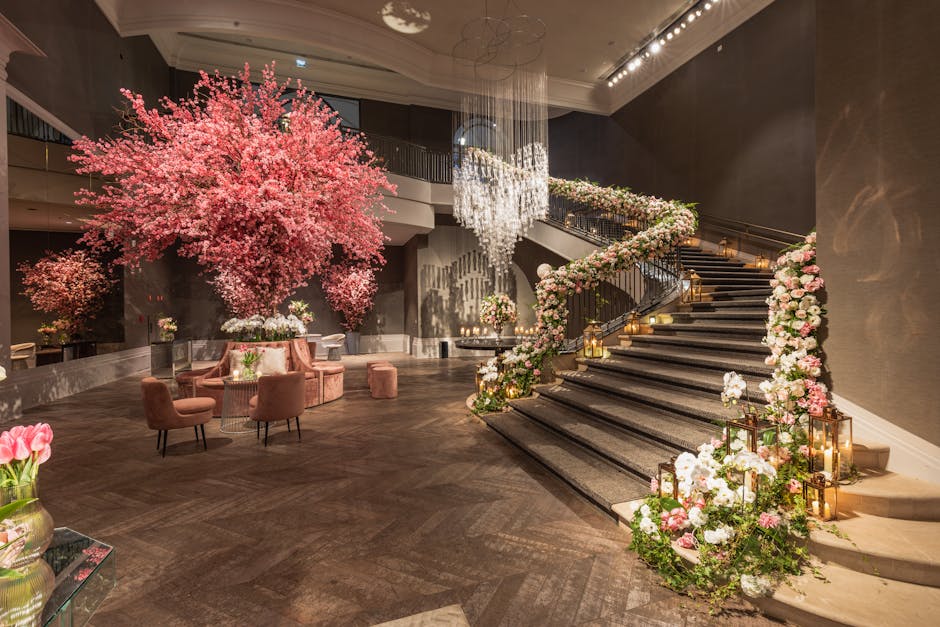
Wedding flowers do more than decorate. They shape the mood of the day, guide the eye through the venue, and help the whole celebration feel cohesive. In Belvedere, especially near Thames-facing spaces, the setting often brings its own personality: soft daylight, reflective surfaces, waterside views, and sometimes a slightly brisker breeze than you planned for. That changes how flowers look and behave. A delicate arrangement that feels charming in a shop can become visually lost in a large room, while a bold design can overwhelm a smaller ceremony space.
Local venue awareness matters because every room has its own proportions. A marquee setup near the river needs different floral thinking from a hotel suite, community hall, restaurant, or heritage space. You are not just choosing flowers; you are choosing how they will sit with the architecture, the lighting, the aisle width, the table sizes, and the flow of guests moving through the day.
It also matters emotionally. Couples often want the flowers to reflect something specific: a favourite colour, a seasonal feel, a memory, or a quiet kind of elegance. When the flowers work with the venue rather than against it, the result feels calmer, more polished, and honestly more expensive than it may have been. That is the magic. Not showy. Just right.
For many couples, the best starting point is a florist who understands the area and offers flexible options across wedding styles. A local specialist such as wedding flowers and ceremony designs can help you think through the full picture rather than just one bouquet at a time.
How Wedding flowers in Belvedere for local venues near Thames Works
The process usually starts with the venue, not the bouquet. That may sound backwards, but it is the sensible way to do it. The room tells you how much floral presence you need, where guests will first notice the arrangements, and whether you should lean toward low, tall, dramatic, compact, or airy designs. A riverside venue may have plenty of natural character already, so your flowers should complement rather than compete.
From there, the conversation normally moves to style, season, and budget. Couples often bring in a few references: a colour palette, a bridal dress, a suit fabric, a table setting, or even a photo of the ceremony room. Those cues help a florist turn a vague idea into something practical. You do not need to know the names of every stem. To be fair, most people do not. What helps more is knowing the feeling you want: relaxed, classic, romantic, luxurious, modern, or garden-like.
Then comes the structure of the wedding flowers themselves:
- Bridal bouquet for the main visual statement.
- Bridesmaid bouquets that support the palette without stealing attention.
- Buttonholes and corsages for the wedding party and close family.
- Table arrangements for reception tables and top tables.
- Ceremony flowers such as aisle pieces, pedestals, or registrar table designs.
- Optional extras like floral crowns, thank-you gifts, or entrance displays.
For wedding planning in this part of London, delivery timing also matters. Flowers should arrive with enough time to be placed, adjusted, and checked before guests walk in. If you are working with a venue near the Thames, build in a little margin. Traffic, parking, access points, and loading times can all play a role. Nothing dramatic. Just enough to matter, which is often the case with weddings, isn't it?
If you want a sense of the kinds of wedding pieces that work well together, browse options like bridal bouquets, bridesmaid bouquets, buttonholes, and table arrangements. Those categories help you picture the wedding as a whole, not just one piece at a time.
Key Benefits and Practical Advantages
Well-planned wedding flowers do more than look pretty in photos. They solve practical problems, support the atmosphere, and help the venue feel designed rather than improvised. That matters a lot in local venues near Thames, where the view, light, and room layout already create a strong backdrop.
First, flowers create visual unity. They connect the dress, suits, tableware, stationery, and venue style into a single story. Even a simple palette can look remarkably polished when the ceremony and reception details follow the same line.
Second, they help define spaces. In venues with open layouts, flowers can mark the aisle, frame a ceremony spot, or distinguish the top table from the rest of the room. That makes guests feel directed, even if they do not consciously notice why.
Third, they improve photography. Photographers love a bouquet with movement, contrast, and texture. So do couples, once the day is over and they are looking back through their pictures on a Sunday morning with tea in hand and a bit of relief.
Fourth, they can be tailored to budget. You do not need to cover every surface with blooms to make an impact. In many cases, a few strategically placed arrangements do more than a huge quantity of flowers scattered around without plan. Less can be more. Really.
Fifth, they allow for seasonal value. Seasonal flowers often give better texture, freshness, and colour harmony. A florist can usually suggest ways to make a chosen look feel luxurious without forcing out-of-season stems into the design.
For couples looking to balance style and value, smaller detail pieces can also make a big difference. For example, elegant finishing touches like wedding corsages or coordinated bridal sets can lift the entire presentation without needing a huge installation budget.
Who This Is For and When It Makes Sense
This approach makes sense for a wide range of couples, but especially for those getting married in Belvedere or nearby and working with venues that sit close to the Thames corridor. If your venue has natural character already, you may need flowers that refine rather than overwhelm. If the room is plain or functional, flowers may need to do a bit more lifting. Either way, planning with the venue in mind makes the result stronger.
It is a good fit if you are:
- planning a ceremony and reception in the same location;
- working with a smaller wedding budget but still want elegance;
- looking for a local florist who understands timing and delivery around DA17;
- trying to match flowers to a river-view, modern, hotel, or intimate venue;
- wanting a seasonal design that feels fresh and not overworked;
- organising a wedding with a strong colour theme.
It also makes sense if you are the person in the family who ends up keeping track of the moving parts. You know the one. One minute you are choosing roses, and the next minute someone is asking whether the groom's buttonhole should sit on the left or right lapel. A helpful florist can make that feel easier, not harder.
This is less about whether you want flowers at all, and more about how much direction you want them to carry. Some couples want the flowers to be the statement. Others want them to quietly hold the day together. Both are fine. The trick is matching the level of floral design to the actual venue and guest experience.
Step-by-Step Guidance
Here is a practical way to plan wedding flowers for local venues near the Thames without getting overwhelmed.
- Start with the venue layout. Measure the ceremony area, note the table sizes, and think about where guests enter and sit. Ask yourself: where will flowers be seen first?
- Choose the mood before the flowers. Romantic, refined, fresh, dramatic, or garden-inspired? This one decision narrows everything else down.
- Set the colour direction. You do not need a rigid palette, but you do need a main colour family and one or two supporting tones. White and green feels clean. Pink and ivory feels soft. Deep tones can feel rich and autumnal.
- Decide the priority pieces. If the budget is tight, put more weight into the bouquet, ceremony focal points, and one or two key reception pieces.
- Consider season and availability. Seasonal flowers usually give a better finish and are easier to design around. You can still achieve a desired style without forcing every stem to behave like a catalogue photo.
- Plan delivery and setup. Confirm access times, loading restrictions, and who is receiving the flowers. A venue manager will usually appreciate a clear plan. So will your nerves.
- Request a realistic presentation style. Ask for examples of bridal bouquets, centrepieces, or ceremony arrangements that suit your venue size and lighting, not just the prettiest image on the board.
- Check for continuity across the day. Make sure the ceremony flowers and reception flowers work together rather than feeling like two separate weddings.
A useful habit is to think in layers. The first layer is the bouquet and personal flowers. The second is ceremony impact. The third is table styling. If you can answer those three layers clearly, the whole thing gets much simpler.
For couples who want a more complete wedding package, coordinated collections such as a full wedding collection or related matching pieces can reduce decision fatigue. That is a real benefit, especially in the final month when your brain is juggling too many tabs.
Expert Tips for Better Results
Some of the best floral results come from small decisions made early. Here are the ones that tend to matter most in Belvedere and along Thames-side venues.
1. Let the venue lead the design
If the room already has strong features, keep the flowers elegant and controlled. If the room is simple, add more texture or height. This avoids the common trap of buying flowers that look lovely in isolation but feel disconnected once placed.
2. Think about light at different times of day
Morning light can make pale blooms glow. Late afternoon and early evening can deepen colour and create a softer mood. If your ceremony is just before sunset, a bouquet with too much tiny detail may not read well from a distance. Slightly larger shapes can work better.
3. Use texture, not just colour
Texture gives arrangements depth. Roses, lisianthus, orchids, hydrangeas, and mixed greenery all behave differently. Even a fairly simple colour palette can look rich when the surface is varied. That is often what makes a design feel premium.
4. Prioritise what appears in photos
Think about the bouquet, top table, ceremony focal point, and any moment where guests will stop and look. Those are the places where flowers earn their keep. A few thoughtful arrangements in the right spots usually beat many small ones in the wrong places.
5. Keep transport in mind
On a wedding day, flowers are being moved, carried, and sometimes squeezed into cars with dress bags, favours, and the odd emergency hairspray. Choose designs that are stable enough for real life. A florist who understands wedding logistics will naturally guide you toward sensible options.
One more thing. Ask how each item will be presented on arrival. A bouquet can be beautiful, but if the buttonholes are not packaged neatly or the table pieces are not labelled clearly, setup becomes unnecessarily stressful. Small details, big relief.
Common Mistakes to Avoid
Even with a good florist, couples sometimes make avoidable mistakes that cost time, money, or visual impact. The good news is most of them are easy to fix once you know what to watch for.
- Choosing flowers before checking the venue. A design that suits a grand room may feel too large for a compact space.
- Ignoring scale. Tiny arrangements in a large venue can look accidental. Huge pieces in a small room can feel cramped.
- Using too many competing colours. A busy palette can make the day feel less cohesive, especially in rooms with strong decor already.
- Forgetting practical delivery details. If the florist cannot access the venue easily, setup may become messy or rushed.
- Over-ordering filler pieces. Not every table needs a major arrangement. Sometimes one feature table and a few smaller designs is enough.
- Not thinking about guest sightlines. Tall flowers can block conversation if they are placed on dining tables. That is the sort of detail people remember, and not fondly.
- Leaving approval too late. Last-minute changes are where stress sneaks in. Better to review the plan early and leave a small buffer for tweaks.
A surprisingly common issue is assuming all white flowers will automatically feel simple and elegant. Sometimes they do. Sometimes they can disappear into bright rooms or look flat under artificial light. The answer is usually texture, greenery, and shape, not just more white.
Tools, Resources and Recommendations
You do not need complicated software to plan wedding flowers well, but a few practical tools and habits will help a lot.
- Venue photos. Take your own pictures of the room from the entrance, aisle, and dining area. Phone photos are fine.
- A simple mood board. Save colours, dress fabric ideas, bouquet shapes, and table settings in one place.
- A guest and table plan. This helps you understand where arrangements are actually needed.
- A delivery timeline. Include ceremony start time, supplier arrival time, and venue setup access time.
- A shortlist of must-have floral items. This keeps the budget focused on the pieces that matter most.
From a product perspective, it helps to understand the range of wedding pieces available before you start refining a style. A few examples worth exploring include bridal bouquet styles, bridesmaid bouquet options, classic groom buttonholes, and elegant centrepieces. Even if you do not choose those exact items, they give you a good feel for what is possible.
If you are comparing styles, take note of the overall structure rather than just the flower names. A bouquet that mixes roses and orchids will feel different from one built around lisianthus or all-white blooms, even if the colour story is similar. That small distinction matters more than people think.
Law, Compliance, Standards, or Best Practice
Wedding flowers are not a heavily regulated purchase in the way some other services are, but a few standards and best practices still matter. In the UK, the main concerns are usually practical: clear pricing, honest descriptions, responsible delivery, and respectful handling of customer details. If a florist is taking deposits, confirming orders, or arranging named delivery times, everything should be communicated clearly in writing.
It is also sensible to ask about cancellation, substitution, and refund terms before placing an order. Flowers are a live product, and substitutes sometimes become necessary due to seasonal supply or weather-related availability. That is normal. What matters is how clearly that is explained in advance.
For venue work, best practice includes checking access, timing, and any rules the venue may have about setup or teardown. Some venues are strict about where items can be placed, how early suppliers can enter, or whether petals are allowed in certain areas. Belvedere venues near the Thames may also have specific access or parking considerations, so it is worth confirming those details before the wedding week.
From a broader business perspective, professionalism matters. A reliable florist should be able to discuss product care, delivery windows, and the condition in which arrangements are handed over. If a bouquet needs to travel, it should be prepared to keep its shape. If centrepieces are being installed, they should be stable and safe for the table surface. Nothing fancy. Just proper practice.
Where sustainability matters to you, ask about seasonal sourcing, reusable mechanics, and waste reduction. That is a reasonable question, not a fussy one. A good florist will usually welcome it.
Options, Methods, or Comparison Table
There is no single right way to plan wedding flowers, but there are a few common approaches. Which one works best depends on venue size, budget, and how much floral presence you want. Here is a simple comparison.
| Approach | Best for | Strengths | Watch-outs |
|---|---|---|---|
| Minimal, refined styling | Smaller venues or modern rooms | Elegant, budget-friendly, easy to place | Can look too sparse if the room is large |
| Balanced ceremony and reception florals | Most Belvedere weddings | Good visual coverage without excess | Needs careful planning to keep everything cohesive |
| Statement floral design | Couples who want impact photos | Strong visual drama, memorable entrance or aisle | Higher cost and more venue coordination required |
| Seasonal garden-inspired style | Relaxed, romantic, nature-led weddings | Soft, fresh, and often more natural-looking | Needs the right palette so it does not feel messy |
There is also a practical decision between bespoke and collection-based designs. Bespoke gives you more control, while a collection can save time and make matching easier. If you want a streamlined route, collections like True Happiness, Pure Romance, or Royal Essence may offer the kind of cohesive styling that works well for venue-led planning. The best choice depends on how much custom detail you want.
Case Study or Real-World Example
Picture a couple planning a late-afternoon ceremony in a riverside venue near Belvedere. The room has good natural light, pale walls, and not much decorative detail of its own. At first, they want lots of colour because they fear the room will feel plain. After looking at the space properly, though, it becomes clear that too many colours would fight with the light and make the room feel busier than it needs to be.
Instead, they choose a soft palette with white, blush, and green, then add a fuller bouquet for the bride and slightly simpler bouquets for the bridesmaids. The ceremony arrangement sits behind the couple without blocking the view. On the reception tables, low pieces are used so guests can talk easily. A few buttonholes and corsages tie the wedding party together, and one or two statement pieces are placed where photographs will naturally happen.
The result is calmer and more polished than their original plan. The flowers do not shout. They frame. And because the venue near the Thames already has atmosphere, the whole day feels intentional without trying too hard. That is usually the sweet spot. Guests remember the feeling, not the mechanics.
In a similar setting, you might pair a classic bouquet with understated companion pieces such as white bridal bouquet styling and matching bridesmaid flowers. It creates a visual thread that feels calm and timeless, especially in a venue where the water and daylight are already doing part of the work.
Practical Checklist
Use this checklist before you finalise your order. It is a simple one, but it saves headaches.
- Have you confirmed the venue name, access details, and setup time?
- Do you know which areas need flowers most: ceremony, reception, entrance, or all three?
- Have you chosen a clear colour direction?
- Do your bouquet and table flowers feel like part of the same story?
- Have you checked whether the venue has restrictions on candles, petals, or placement?
- Have you listed the people who need buttonholes or corsages?
- Do you know which flowers are seasonal and which may need substitutions?
- Is there a written confirmation of pricing, delivery, and any extras?
- Have you considered how flowers will look in photos and in low evening light?
- Have you set aside a small contingency for last-minute tweaks?
Expert summary: The best wedding flowers in Belvedere for local venues near Thames are not simply the prettiest flowers available. They are the ones that suit the room, the light, the guest flow, and the mood you want people to feel when they walk in. Get that part right, and the rest tends to fall into place.
Conclusion
Wedding flowers in Belvedere for local venues near Thames work best when they are chosen with the venue in mind, not as an afterthought. That means thinking about scale, light, timing, movement through the space, and the atmosphere you want your guests to feel from the moment they arrive. You do not need the most complicated design to create a memorable result. Often, the strongest weddings are the ones where every floral choice feels quietly deliberate.
Whether you are drawn to soft whites, romantic pinks, rich seasonal tones, or a more contemporary look, the key is keeping everything connected: bouquet, ceremony, reception, and delivery all pulling in the same direction. That is what makes the day look polished without feeling overdone.
If you are at the stage of comparing options, refining your style, or working out what suits your venue best, take the time to explore designs that fit your space and your guests. The right flowers do a lot of work in the background, and that is part of their charm.
Get a free quote today and see how much you can save.
And if you are still deciding, that is perfectly normal. Good wedding planning is rarely a straight line.
Frequently Asked Questions
What flowers are best for wedding venues near the Thames in Belvedere?
Flowers that suit the room and light are usually the best choice. Soft roses, lisianthus, orchids, hydrangeas, and mixed greenery work well in many venues because they can be styled to feel either elegant or relaxed. The exact answer depends on whether the venue is bright, intimate, modern, or more traditional.
How far in advance should I book wedding flowers?
As early as possible is safest, especially if you want a specific date, style, or seasonal flower choice. For larger weddings or more detailed designs, early booking helps secure the planning time needed to coordinate with the venue and your other suppliers.
Can I keep wedding flowers simple and still make the venue look good?
Yes, absolutely. A simple design can look beautiful if it is scaled correctly and placed in the right spots. In many Belvedere venues, a few well-chosen arrangements do more than lots of small pieces with no clear plan.
How do I choose flowers that suit a riverside venue?
Start with the venue's natural light, colour palette, and size. Riverside venues often benefit from fresh, airy designs that feel light rather than heavy. White, blush, soft green, and subtle seasonal shades are common starting points, though bolder looks can work too.
What if the flowers I want are not in season?
A good florist can usually suggest alternatives that create a similar feel. It is often better to aim for the style and mood you want, then let the actual stems be guided by the season. That usually gives a better result and can be more cost-effective.
Do I need separate flowers for the ceremony and reception?
Not always, but it often helps. Some pieces can be moved from ceremony to reception if the timeline and venue allow it. That can be a practical way to stretch the budget while still making both parts of the day feel considered.
How many buttonholes and corsages should I order?
Count the people who are most visible in the wedding party and close family. This often includes the groom, best man, fathers, and sometimes grandfathers or other important guests. Corsages are usually for those the couple wants to recognise in a special way.
Are table flowers necessary if the venue already looks nice?
Not necessary, but they often help tie the whole styling together. If the venue already has character, you may only need low, understated table arrangements or a few feature pieces. The aim is support, not clutter.
How do I avoid flowers blocking conversation at the tables?
Choose low arrangements for dining tables or place taller designs somewhere that is not part of seated conversation. Guests should be able to see each other across the table without weaving around stems. That small detail makes a surprisingly big difference.
What should I ask a florist before placing an order?
Ask about delivery timing, substitution policy, venue access, setup support, seasonal availability, and whether they can match the style to your venue. Those questions give you a much clearer sense of how the day will run.
Is it better to choose bespoke flowers or a wedding collection?
It depends on how much control you want. Bespoke flowers are ideal if you have a very specific vision. A collection can be easier if you want a cohesive look with less decision fatigue. Many couples end up somewhere in between, and that is perfectly fine.
How do I make sure the flowers photograph well?
Think about shape, contrast, and where the flowers will appear in relation to the couple. Bouquets should read clearly in close-up shots, while ceremony and reception flowers need enough presence to show in wider images. A florist who understands wedding photography can help with this.
Can wedding flowers be both affordable and elegant?
Yes. Elegance comes from design choices, not just volume. Seasonal flowers, focused placement, and careful styling can create a polished look without stretching the budget unnecessarily. That is usually where the smart value is.